
When Uganda’s pension reform conversation began in 2003, few could have imagined the transformation that would follow. One of the most visible outcomes of the reforms was the establishment and operationalisation of Uganda Retirement Benefits Regulatory Authority (URBRA) – the regulator that has overseen the exponential growth of the sector’s assets under management from a paltry 4 trillion in 2013/14 to nearly 37 trillion today. The sector is vibrant with more licenced and supervised entities – 65 schemes, 10 fund administrators, 6 fund managers, 5 custodians, and a growing number of trustees.
Despite the impressive growth, the sector is yet to cover the majority of Uganda’s working population. Currently, only 4.2 million Ugandans are covered under existing retirement benefits arrangements, compared to a working population of over 26 million. The outstanding question is whether the existing retirement benefits products are targeting the right kind of worker.
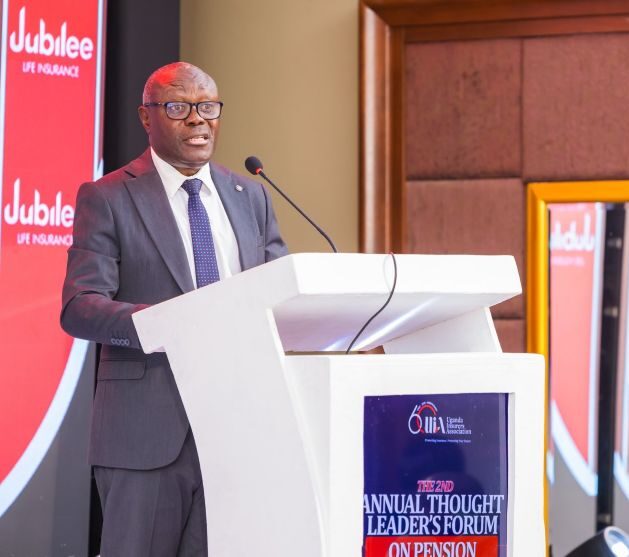
At the recent Annual Thought Leaders Forum on Pensions, organised by the Uganda Insurers Association (UIA), all speakers shared the conviction that the system was built for the formal worker, yet most Ugandan workers are not formal.
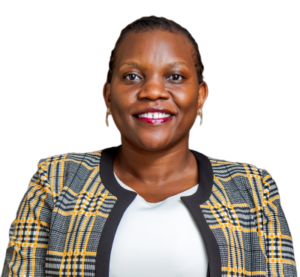
Daisy Lynda Nabakooza, URBRA’s head of supervision and market conduct put it aptly: “the sector has been offering products for the wrong worker. Present a formal-sector product to a market vendor in Owino or a trader in kikuubo, and it does not speak to them at all.”
Hassan Alimansi Kirya, speaking on behalf of the Informal Workers Social Protection Scheme, expressed it more precisely: “The worker has changed, the economy has changed, technology has changed, but many social protection mechanisms have not responded to this reality.” And to put it more pointedly he said, “the problem is not necessarily the worker. The problem may be the architecture.”
The traditional pension model assumes an employer, a regular salary, and predictable monthly contributions. But the boda-boda rider, the market vendor, the farmer, the domestic worker, and the small trader all have irregular incomes, changing workplaces, and multiple activities. Yet there are hardly any products designed to address the apparent mismatch.
Regulators, industry leaders, and worker representatives in the forum shared the conviction that the focus must now shift decisively to the informal sector worker. This requires a redesign of products, delivery models and even regulatory frameworks.
As Kirya argued, “If you are going to design anything for our informal workers social protection scheme… you should start with what risks the worker actually faces. What can the worker afford? How frequently can the worker contribute? How can claims be accessed? How can insurance connect with long-term pension savings?”
To make the sector more inclusive, Daisy Nabakooza proposed four key components – accessibility, affordability, quality and scale. “It does not make sense for us to discuss inclusion when the informal sector person will end the year with 20,000 shillings in their account. That’s not growing inclusion. Growing inclusion means there is more coming in consistently, it is being invested, and by the time this person exits, they get good value,” she said.
URBRA CEO, Martin Nsubuga called for a shift in the Regulator’s stance. “As the pension regulator, we must move from a relationship that is predominantly compliance-driven to one that combines supervision, innovation, collaboration, and accountability.”
Encouragingly, most of what is needed to reach informal workers already exists and sector players only need to leverage these opportunities.
- Technology and mobile money
Uganda’s mobile money penetration is an untapped opportunity. Mr Nsubuga noted, “the mobile money registered population is around 40 million. You can discount that to a third, making it 15 million people. But we are covering only 4 million. Over 15 million people are already active mobile money users. What is stopping us from getting into that space?”
The same sentiment was echoed Mr. Andrew Mwangi Ngumo, Head of Business at Zamara Actuaries Administrators & Consultants Uganda Limited, who captured the paradox thus, “how can someone check a mobile money balance instantly on your phone, but you’re not able to get a statement or you have to wait for weeks before you can be able to access a pension statement? Why does joining a retirement fund or getting an insurance policy require a lot of paperwork and technicality when it is very easy to open an account in the normal sphere of life?”
Technology, however, must be paired with human support. As Hassan Kirya noted, “technology should complement, not replace human support.”
- The saving habits of informal workers
Speakers decried the mistaken view that Ugandan’s don’t save. Daisy Nabakooza shared an example of a Kikuubo businessman who went to the bank every evening with a bag full of coins from his day’s business, always timing his visit towards 5.00pm to avoid inconveniencing others. “He couldn’t even count his money, but he had a thriving business and he was banking every day!” Why couldn’t the bank make it convenient for such a man to bank his money from his business location? For many informal sector workers, the savings culture exists but they don’t have a trusted, accessible, flexible vehicle that meets them where they are.
- Existing groups and networks
Informal workers are already organized in SACCOS, market associations, boda-boda groups, and cooperatives. Daisy Nabakooza stressed the importance of using these trusted structures: “Don’t ask people to abandon the platforms that they already trust… Let us use these platforms to help them to save for their future.”
To start reaching informal workers, there are some important steps that sector stakeholders should consider. Firstly, products must be designed around the unique challenges and risks faced by the workers – their income insecurity, emergency expenses, business disruptions. Stakeholders must also develop low-cost flexible products that allow for micro and macro contributions – some savers maybe able to contribute small daily amounts while others may be able to contribute lumpsums once or twice a year. Additionally, workers should be able to move their benefits between schemes, and between formal and informal employment, without losing their savings. Leverage existing digital platforms and fintechs to onboard, collect contributions and provide real-time balance information. Meanwhile, the Regulator should enable product innovation, while also protecting members’ savings. To address ignorance and apathy, it is important for stakeholders to co-invest in financial literacy, and there should be efforts to meet the informal sector workers where they are – in the markets, on boda-boda stages.
Most importantly, there was a general conviction that extending pensions coverage to the informal sector is a collective responsibility and not a task for a single institution. As Daisy Lynda Nabakooza said, “inclusion of the informal sector will take the entire village. And that entire village has you, the regulators, government, policy makers, even the membership themselves, and our various networks.”
On his part, Hassan Kirya urged sector actors to move from talk to action: “Let us not merely talk about expanding coverage; let us design it. Let us not merely discuss innovation; let us deploy it responsibly. Let us not merely speak about inclusion; let us include those who have historically been left behind.”