 The progress achieved in FY 2025/26 confirms that retirement savings are no longer viewed solely as a source of income after retirement. They have become a strategic national asset that expands financial inclusion, mobilizes long-term domestic capital, and supports Uganda’s economic transformation.
The fiscal year 2025/2026 marked a pivotal period for Uganda’s retirement benefits sector. URBRA focused on regulating and promoting a stable industry while safeguarding members’ savings. As the year concludes, the Authority underscores key accomplishments that have fostered confidence in retirement savings, enhanced participation, and positioned pension funds as integral to Uganda’s socio-economic development.
Leadership that inspires confidence
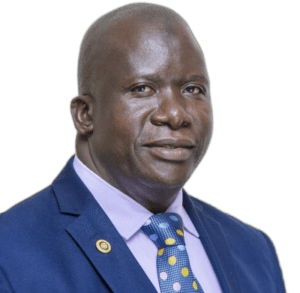
URBRA ended FY 2025/2026 with renewed leadership, following the appointment of a new Board of Directors, chaired by Mr. Henry Magano Balwanyi, and the reinstatement of Mr. Martin Nsubuga as Chief Executive Officer. These changes signal a renewed commitment to strengthening governance, accountability, and growth in Uganda’s retirement benefits sector.
The Board combines expertise across law, finance, economics, accounting, and public policy. It comprises Chairperson Mr. Henry Magano Balwanyi, Ms. Florence N. Kuteesa, Prof. Irene Nalukenge, Mr. Moses Zziwa, and Mr. Musa Lukwago, who collectively provide strategic oversight for the Authority. Together with Mr. Martin Nsubuga, who has more than 25 years of experience in the pensions and insurance sectors and provides strong executive leadership. The Board and Management are well positioned to expand pension coverage, strengthen public confidence, and advance reforms that support Uganda’s long-term economic development.
Trust remains the sector’s greatest asset.
Confidence is crucial to a thriving retirement benefits system. In Uganda, trust in the retirement sector is rising, driving significant growth. In FY 2025/26, retirement assets rose from UGX 25.4 trillion to UGX 30.7 trillion, a 21% increase. Membership grew to 4.06 million, and average returns for members rose from 10.97% to 14.6%. These gains reflect better governance, effective supervision, improved investment oversight, and a stronger regulatory framework. A trustworthy system boosts participation, enhancing national savings and benefiting the economy.
The informal sector is the next frontier.
Uganda’s retirement benefits sector is making progress; however, it continues to encounter significant challenges. A considerable segment of the workforce is engaged in the informal economy, leading to restricted access to organized retirement savings. This issue extends beyond pension concerns and signifies a broader developmental challenge for the nation. The absence of affordable retirement options may result in financial insecurity for many Ugandans in old age, thereby impacting familial stability and the country’s overall savings capacity. The Uganda Retirement Benefits Regulatory Authority (URBRA) is dedicated to formulating retirement solutions tailored for informal workers, which could be a pivotal step toward achieving financial inclusion in the forthcoming decade.
Pension savings can finance tomorrow’s economy.
Uganda’s retirement assets surpass UGX 30 trillion, representing a substantial reservoir of long-term capital. Soundly managed pension funds have the capacity to finance infrastructure, housing, and various productive investments that generate employment opportunities and stimulate economic growth. Nonetheless, the primary responsibility resides in safeguarding the savings of members, as pension assets are the property of workers, not the government. Investment strategies must prioritize prudent risk management and robust governance to optimize long-term value. Effective governance can enable pension funds to attain sustainable returns while fulfilling national development objectives.
Strategy must translate into results.
The launch of URBRA’s Third Strategic Plan (FY 2025/26–2029/30) emphasizes leveraging retirement savings to foster socio-economic development. Its primary objectives encompass broadening pension coverage, strengthening supervision, embracing digital innovations, and increasing operational efficiency, in alignment with Uganda Vision 2040. The effective execution of this plan will require sustained collaboration among government entities, employers, retirement schemes, regulators, partners, and workforce representatives.
Technology and financial literacy will shape the future.
Modern retirement systems rely on technology and informed citizens. During FY 2025/26, URBRA accelerated digital transformation to strengthen regulatory oversight, improve supervisory efficiency, and expand access to retirement services.
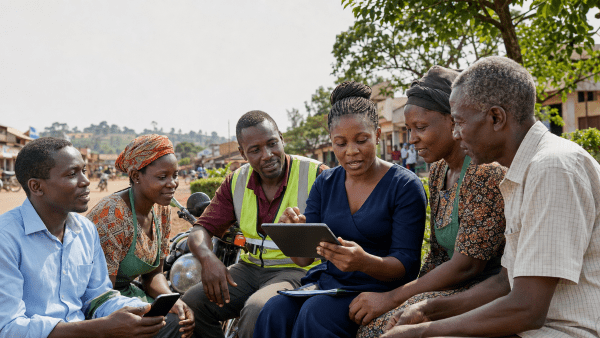
The Authority further endeavored to establish a National Long-Term Savings Scheme aimed at expanding pension coverage to workers in the informal sector, including youth, women, persons with disabilities, small business operators, and other marginalized groups.
In addition to these reforms, URBRA’s financial literacy programs successfully reached over 324,900 Ugandans through education on retirement planning and long-term savings. Collectively, these initiatives contributed to increased pension inclusion, enhanced stakeholder engagement, facilitated improved access to retirement information, and promoted a more financially resilient society.
Promoting Long-Term Capital for National Development.
Uganda’s pension sector, now managing more than UGX 30 trillion in retirement assets, is emerging as a key source of long-term capital for economic growth. During FY 2025/26, URBRA advanced discussions on mobilizing pension assets to support sustainable development while safeguarding members’ savings.
The Authority further enhanced Uganda’s regional and continental presence by actively participating in the East Africa Pension Supervisors’ Association (EAPSA) and the African Pension Supervisors’ Association (APSA), thereby contributing to initiatives designed to leverage Africa’s pension assets for the purpose of financing the continent’s long-term development.
The opportunity ahead.
The achievements in Uganda’s retirement benefits sector during FY 2025/26 exemplify considerable growth and maturity. Enhancements in governance, leadership, membership, investment performance, and retirement assets signify progress. Nonetheless, a significant portion of Ugandans, particularly those engaged in the informal economy, remain without access to retirement savings.
Addressing this challenge necessitates sustained political support, advantageous policies, technological innovation, and collaboration among the government, employers, retirement schemes, and the private sector. Retirement benefits should be regarded as an investment in Uganda’s future, providing financial security for workers, mobilizing domestic savings, supporting capital markets, and promoting sustainable economic growth.
With an accomplished Board and a clearly articulated strategy, URBRA is optimally positioned to leverage recent successes. If this momentum is sustained, Uganda’s retirement benefits sector holds the potential to significantly contribute to inclusive and sustainable national development for millions of workers.
The writer is the Head of Communications & Public Affairs.