

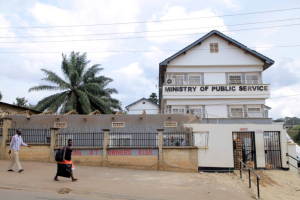
 The Ministry of Public Service and Uganda Retirement Benefits Regulatory Authority (URBRA) conducted a sensitization workshop on 9th and 10th September 2025 for Commissioners and Human Resource heads across Ministries, Departments, and Agencies (MDAs). The sessions focused on the forthcoming transition from the current Public Service Pension Scheme to the new Public Service Pension Fund (PSPF), a Defined Contribution (DC) retirement scheme.
The shift marks a significant reform in Uganda’s pension landscape, moving away from the fully government-funded, non-contributory scheme under the Consolidated Fund to a model where both the employee and government contribute to the pension.
Why the Change?
According to experts from the Ministry of Public Service, the current pension system is unsustainable. By 2030, pension liabilities are projected to exceed UGX 6 trillion annually, accounting for 19.1% of the country’s total revenue collection.
The new contributory system is expected to reduce this burden, while addressing long-standing issues in the public pension sector, including delayed payments, underfunding, and mismanagement of records. It is also anticipated to improve accountability and reduce corruption in pension disbursement.
Hon. Mugasa Grace Mary, Minister of State for Public Service, emphasized that the Fund will be governed with strong regulatory oversight and transparency. “This reform will help fight corruption in the pension system and ensure that every pensioner receives what is rightfully due to them,” she said. “Good governance and a strong regulator like URBRA will be key to the success of this initiative.”
Key Concerns Raised by Participants
Despite the projected benefits, the announcement of the new pension structure was met with several concerns from participants, particularly relating to financial security, governance, and the impact on take-home pay for public servants.
Guarantee of Savings and Financial Security
A central concern was whether the members’ savings would be protected in the event of financial loss or mismanagement. In response, Commissioner Compensation Victor Bua reassured participants that the Government of Uganda would act as the guarantor of the fund, thereby securing members’ contributions and payout in the future.
Employee Contributions and Reduced Take-home Pay
Under the new scheme, employees will contribute 5% of their gross salary toward their retirement URBRA Newsletter FY 2025/26 6
savings. For many, especially lower-income staff, this represents a reduction in net income, creating concerns about financial hardship. The change from a fully government-funded scheme to one requiring employee contributions is perceived by some as a loss of salary which the commissioner noted as being countered by the Government’s salary increment of 5% before implementation of the fund.
Shift from Non-Contributory to a shared Contribution model
The transition from a model where pensions were paid entirely by the government to a shared-contribution scheme has raised questions about fairness and the long-term benefits for employees, particularly those nearing retirement under the old system, these according to the ministry would have a choice of joining the new fund especially those with five or more years to retire.
Governance and Oversight of the Fund
Participants raised questions around governance and control of the Board of Trustees and transparency in the fund’s management, especially since it’s backed by government. Additionally, there were concerns about government dipping into the Fund’s assets for its own use. The Ministry emphasized the importance of ensuring strict oversight and independence of the trustees as critical to winning the trust of contributors along side the oversight of the regulator URBRA in the operations of the fund.
Investment Risks
As a defined contribution scheme, the fund will invest members’ contributions to generate returns. However, this also introduces market risk. Participants expressed fears that poor investment decisions or market downturns could erode their savings and impact future pension payouts.
Commissioner Bua agreed that the value of investments can fluctuate due to economic factors, poor investment decisions, or global financial downturns. However, to manage this risk, the fund is expected to follow strict investment guidelines, diversify its portfolio across asset classes (like Government securities, equities, and real estate) in the East African region and be overseen by qualified investment professionals and independent trustees who are all regulated and supervised by URBRA.
The Road Ahead
The sensitization workshop marked a critical first step in building awareness and opening dialogue about the changes to Uganda’s public service pension system. Government officials acknowledged the concerns and committed to further engagement with stakeholders as the transition progresses.
The Ministry of Public Service and URBRA pledged to ensure that the new fund will be managed transparently, with safeguards in place to protect contributors’ savings and deliver on the promise of a secure retirement for all public servants.
As the country prepares for the rollout of the Public Service Pension Fund, the next phase will involve legal, administrative, and operational adjustments alongside continued sensitization to address the concerns of Uganda’s public servants